Parts of the body and face; describing hair
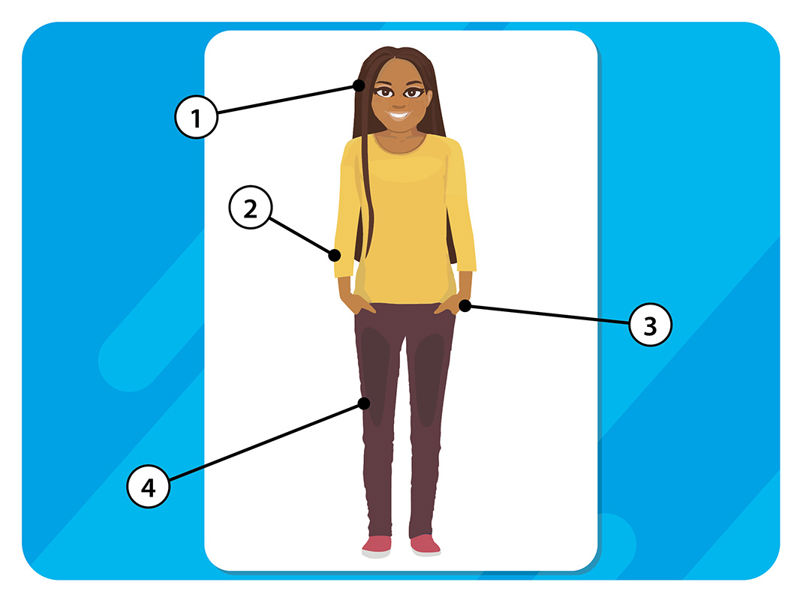
- Match the words in the box with parts of the body 1–5. Which word has an irregular plural?
- Look at the app and match pictures 1–10 with the words in the box.
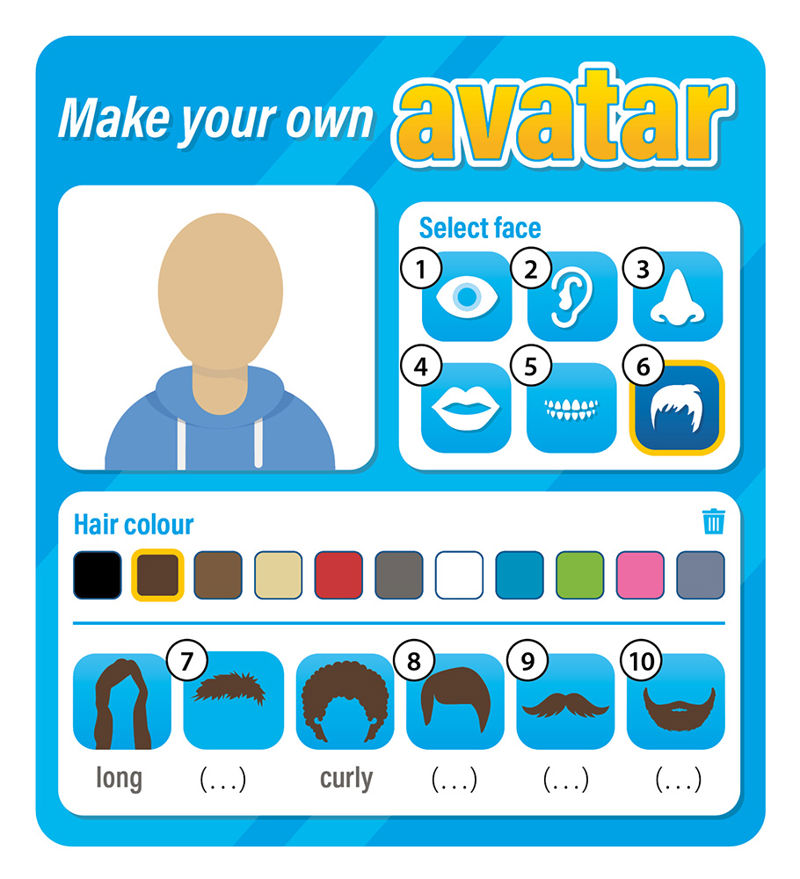
- Look at the avatar in exercise 1 and choose the correct description.
- Alice has got a big nose and blue eyes. She’s got long, brown hair.
- Alice has got blue eyes. She’s got a small mouth and long, curly hair.
- Alice has got long, straight hair and big brown eyes.
A radio programme
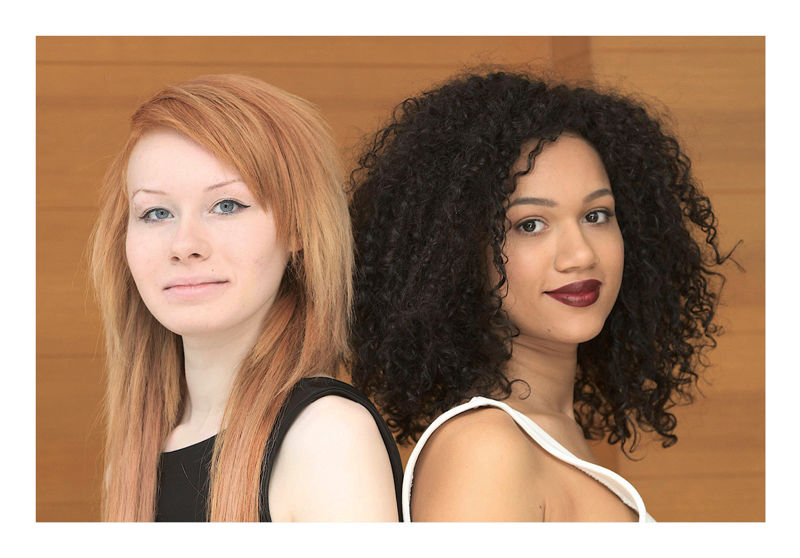
- Write a short description of the two girls in the photo. Then compare your description with your partner’s.
Subskill: Using what you know
Think about what you know about the subject before you listen. This will help you to understand.
- What do you know about twins? Are the sentences true or false?
- Twins are two children born at the same time.
- There are two types of twins: identical and non-identical.
- Twins are always the same sex: two boys or two girls.
- Twins always look the same.
- Listen to a radio programme and check your answers in exercise 5.
- Listen again. Who are the people? Complete the sentences with the words in the box. There is one extra word.
a doctor | a father | a mother | a twin (x2) |
- Sally is (…) .
- Mr Aylmer is (…) .
- Maria is (…) .
- Lucy is (…) .
- Write the hair and eye colour of each person in the family.
- Lucy
- Maria
- Their father
- Their mother
- Work in pairs. Ask and answer the questions.
- Do you know any twins?
- Are they the same or different? (body, face, personality)
- Say one advantage and one disadvantage of being a twin.